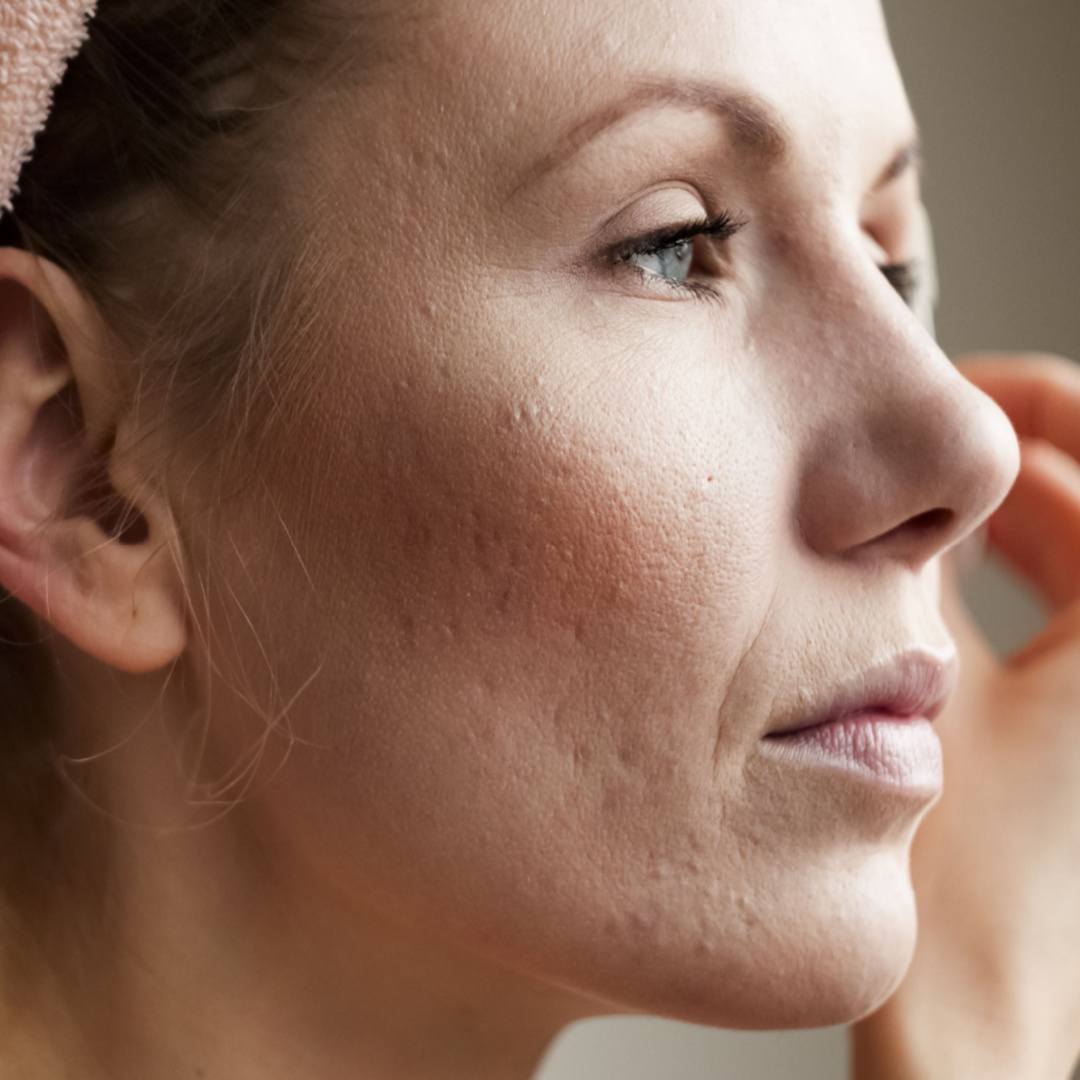
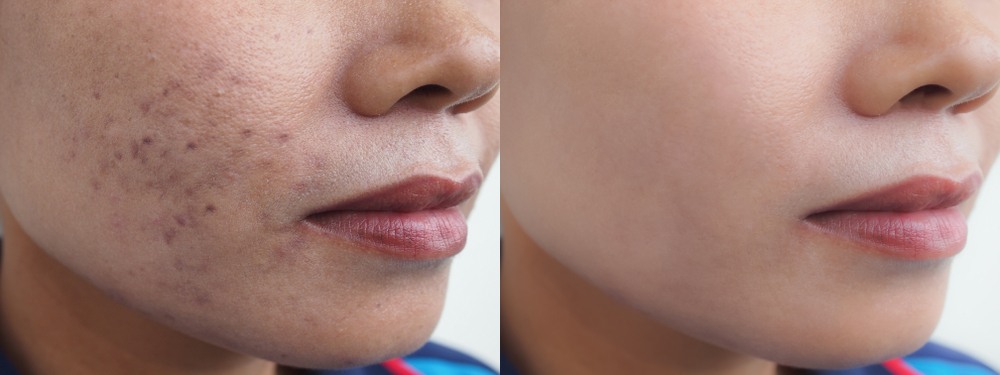
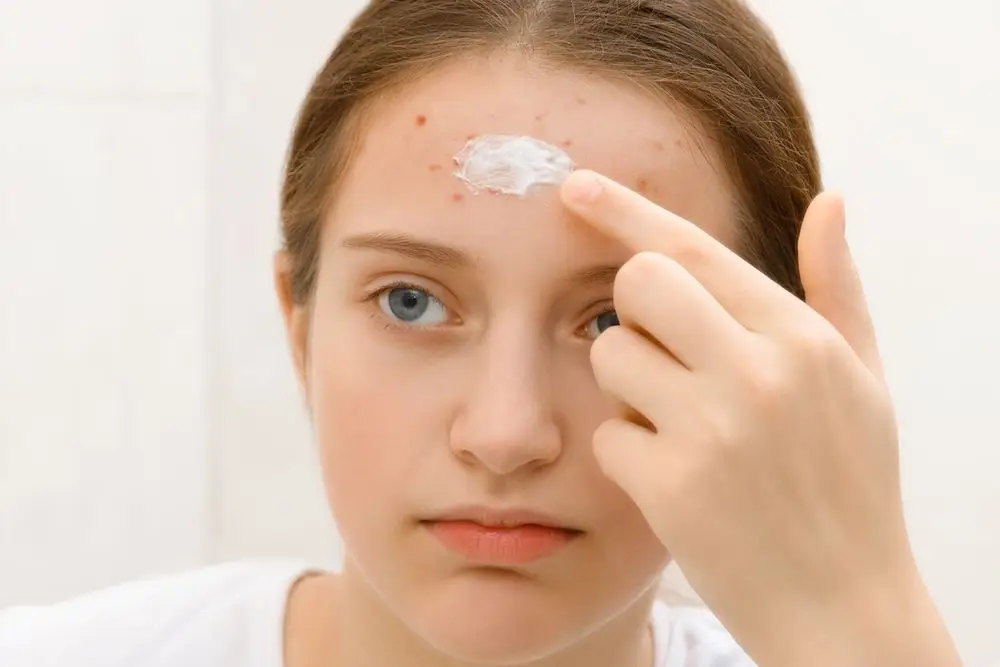
Scars are a natural part of how your skin heals after an injury, surgery, burn, or breakout. Most fade and flatten on their own over time. But sometimes the body makes too much collagen during healing, leading to a raised, thick, or discolored scar. Two common types are hypertrophic scars (raised scars that stay within the borders of the original wound) and keloids (scars that grow beyond the original injury). Beyond appearance, these scars can itch, hurt, turn red, and occasionally limit movement.
The good news: there are many ways to improve a scar. Below is a friendly overview of the most common options your dermatologist may recommend. No single treatment works for everyone, and combining approaches often works best.
Simple Things You Can Do at Home
Sun protection
Protecting a healing scar from the sun is one of the most important — and easiest — steps. Ultraviolet (UV) light can make a scar darker, redder, and larger. Use a broad-spectrum sunscreen of at least SPF 30, ideally a mineral sunscreen containing zinc oxide and/or titanium dioxide, on any healing scar exposed to daylight.
Silicone gel and silicone sheets
Silicone is the most studied at-home scar treatment. It works by covering and hydrating the scar, which may help reduce redness and soften the tissue. Silicone can also lower the chance of a raised scar forming in people who are prone to them.
- Available over the counter or by prescription, as gels or as sheets.
- Sheets can be trimmed with scissors to fit your scar and are usually worn 12–24 hours a day.
- Gels are applied 2–3 times a day and must be allowed to dry; they work well on curved areas like joints.
- Starting early and using it consistently for several weeks to months gives the best results.
- Mild side effects can include itching or irritation, especially in hot, humid weather.
Onion extract gels
Products such as Mederma or Contractubex contain onion extract, which may help with scar redness and itching. Results vary from person to person, and the evidence is modest. These are usually applied twice a day for up to 3 months, and may work best when combined with silicone or other treatments.
A note on vitamin E: Despite its popularity, topical vitamin E is not recommended. Studies show little benefit and a fairly high rate of allergic skin reactions.
Massage and Pressure
Scar massage
Gentle massage may improve how flexible the scar feels and can ease itch, discomfort, and anxiety about the scar. Timing matters — massage should generally begin only after the wound is well healed (around two weeks after surgery), never on an open or fragile wound. A simple approach:
- Wash your hands.
- Apply a plain moisturizer such as petroleum jelly to your fingertips.
- Using firm but comfortable pressure, massage the scar in all directions for about 15 minutes, once or twice a day.
- Stop if you notice pain, bleeding, or the wound opening.
- Continue for 3–6 months, or until the scar is flat and pale.
Pressure therapy
Steady pressure is sometimes used, especially for burn scars and after keloid removal. For ear keloids, a custom pressure clip or earring worn after surgery can lower the chance the keloid comes back. Pressure therapy is low-cost and low-risk, though its overall benefit for other scars is uncertain.
In-Office Treatments
When home care isn’t enough — particularly for keloids and thick raised scars — your dermatologist may recommend treatments done in the office.
Steroid injections
Injecting a corticosteroid (most often triamcinolone) directly into a scar is the long-standing first-line treatment. It can flatten and soften the scar and relieve itch and pain. Injections are usually repeated every 4–6 weeks. Newer, smaller scars tend to respond best. Possible side effects include injection pain, thinning of the skin, tiny visible blood vessels, and lightening or darkening of the skin. Scars sometimes return, so ongoing follow-up is important.
5-Fluorouracil (5-FU) and combination injections
5-FU is a medication that reduces the overactive cells that build scar tissue. It is often combined with a steroid, which improves results, boosts satisfaction, and reduces side effects compared with either drug alone. Combining these injections with a vascular (pulsed-dye) laser may work even better for redness and itch.
Cryotherapy (freezing)
Freezing scar tissue can help flatten keloids, sometimes paired with a steroid injection to boost the effect. Blistering or crusting afterward is expected. Freezing can cause changes in skin color, so your dermatologist will consider your skin tone when recommending it.
Bleomycin and other injections
For stubborn keloids that don’t respond to standard options, other injectable medications such as bleomycin may be considered. These can be very effective at flattening scars and reducing itch.
After surgical removal
When a keloid is surgically removed, dermatologists often add another treatment afterward — such as steroid or 5-FU injections, an imiquimod cream, or pressure therapy — to lower the high chance that a keloid would otherwise grow back.
Making Injections More Comfortable
Because injectable treatments can sting and often need to be repeated, your dermatologist may use small needles, numbing medicine, cold sprays, or a gentle vibration device to keep you comfortable. Newer needle-free “jet injectors” and dissolving microneedle patches are being studied as gentler options for the future.
The Bottom Line
Scar treatment is highly individual. Home measures like sun protection, silicone, and massage are safe starting points, while in-office injections and combination therapies offer the strongest results for raised scars and keloids. If a scar bothers you — physically or emotionally — talk with your dermatologist about a plan tailored to your scar type, skin, and goals.
Keloid Treatment and Scar Care FAQs
What is the difference between a hypertrophic scar and a keloid?
A hypertrophic scar is raised but stays within the borders of the original wound. A keloid grows beyond the original injury. Both can itch, hurt, turn red, and occasionally limit movement. When home care is not enough, your dermatologist may recommend in-office treatment for a keloid.
What keloid treatment do dermatologists use first?
The long-standing first-line keloid treatment is a corticosteroid injection (most often triamcinolone) directly into the scar. Injections are usually repeated every 4–6 weeks, and newer, smaller scars tend to respond best. Steroid injections are often combined with 5-FU, and sometimes with cryotherapy, to improve results.
Do silicone scar sheets work?
Silicone is the most studied at-home scar treatment. Sheets cover and hydrate the scar, which may help reduce redness and soften the tissue. They are usually worn 12–24 hours a day, and starting early and using them consistently for several weeks to months gives the best results.
Does vitamin E help scars?
Topical vitamin E is not recommended. Studies show little benefit and a fairly high rate of allergic skin reactions.
How long should I massage a scar?
Once the wound is well healed (around two weeks after surgery), massage the scar for about 15 minutes, once or twice a day. Continue for 3–6 months, or until the scar is flat and pale.
This article is for general education and is not a substitute for personalized medical advice. Please consult your dermatologist about your specific scar.