- Cosmetic Dermatology
PRP for Hair Loss
Restore hair with Platelet Rich Plasma
Platelet-rich plasma uses the growth factors in your own blood to stimulate hair follicles and restore thinning hair.
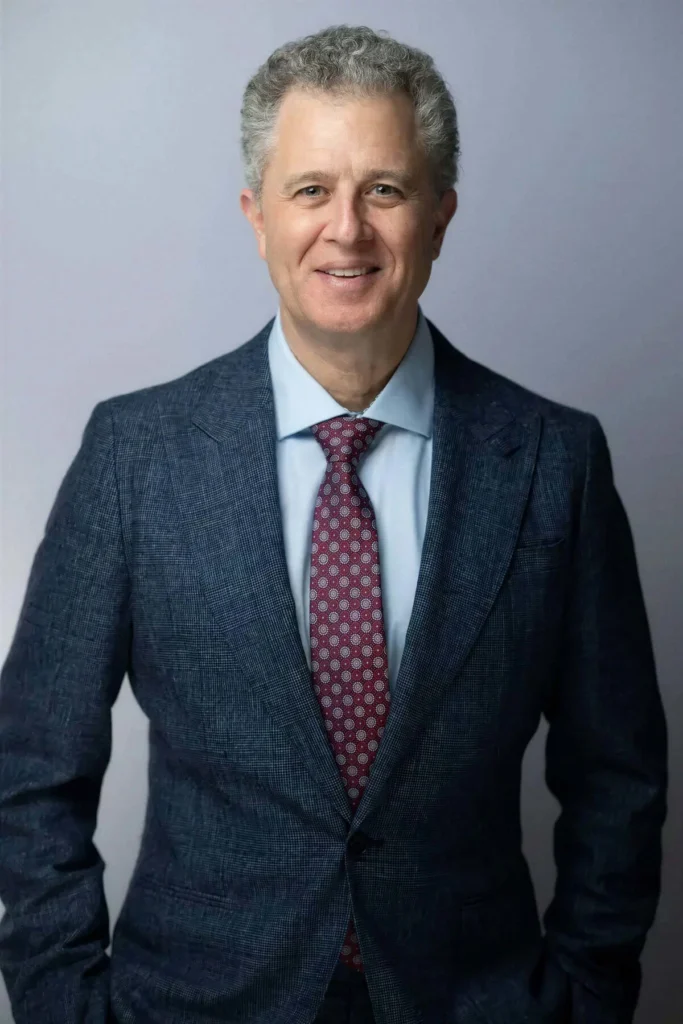
Board-certified dermatologist Dr. Craig Singer performs PRP for hair loss at his Bingham Farms practice using the ProGen PRP Advantage System.
Quick facts
Treats
Thinning hair in men & women
Source
Your own blood (growth factors)
System
ProGen PRP Advantage
Sessions
Initial series, then maintenance
Minimal
In office
About an hour
What is PRP?
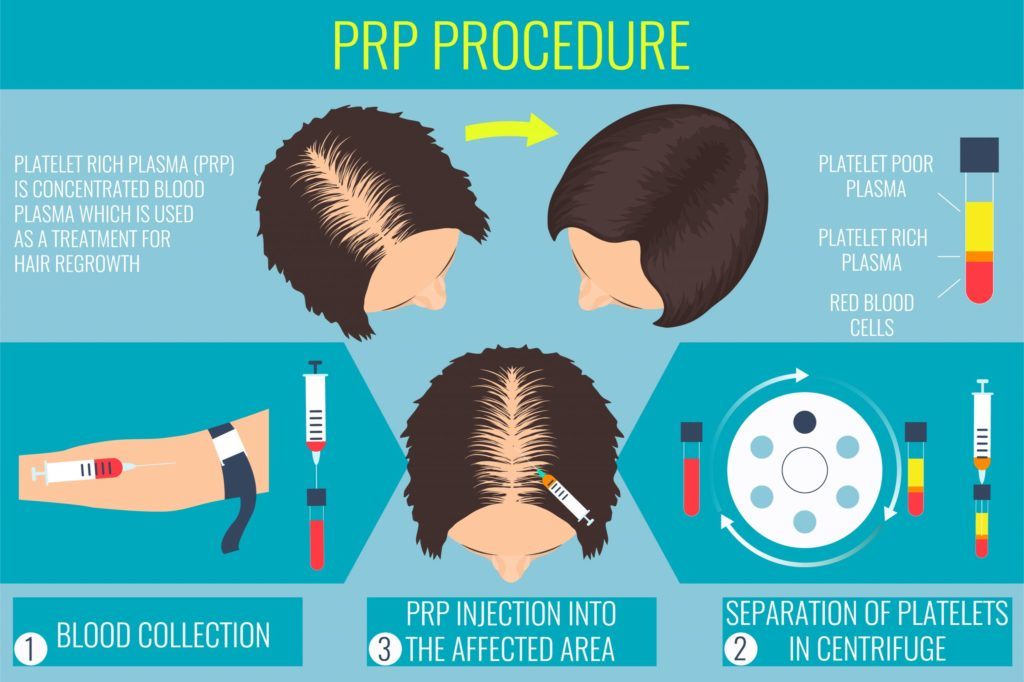
PRP is an acronym for Platelet Rich Plasma. Platelets are a normal component of healthy blood that function in the body’s clotting mechanism. Plasma is the fluid that surrounds and protects these blood cells. When a person’s own blood is collected and centrifuged, the plasma containing portion of platelets (i.e. PRP) are rich in growth factors. It is these key growth factors that stimulate cell growth and new blood supply to the hair follicle. By providing a fresh source of nutrients to the balding scalp, PRP can supercharge the shrinking hair follicles leading to increased caliber, longer growth phase, and improved hair density.
It uses your own blood
PRP contains no drugs or foreign substances. A small sample of your blood is drawn, concentrated, and injected back into the scalp, so the growth factors doing the work are entirely your own.
PRP Treatment Diagram
Procedure Diagram
Procedure Video
Who PRP can help
PRP is used for thinning hair in both men and women, most effectively at earlier stages:
Male pattern thinning
Early to moderate thinning at the crown and hairline.
Female pattern thinning
Diffuse thinning across the top of the scalp.
Strengthening existing hair
Adding thickness and health to hair that is still present.
Alongside other therapies
Pairs well with medical hair-loss treatments for a fuller result.
Benefits of PRP
A natural, low-downtime option for early hair loss:
Your own growth factors
No surgery
A simple in-office injection session, not a transplant.
Minimal downtime
Most people return to normal activities right away.
Natural process
PRP stimulates your own follicles to do the work.
PRP before/after photos
These before-and-after photos are Dr. Singer’s own. He developed male pattern hair loss starting at 28 years of age and began Propecia (finasteride) 1 mg per day, which prevented progressive loss over the next 10 years. By the time he turned 40, however, he noticed progressive thinning along the vertex of his scalp. He added Rogaine foam twice daily, which produced some improvement, but he wanted further regrowth in that area. That’s when he started PRP in 2019. The results shown are after four treatments.
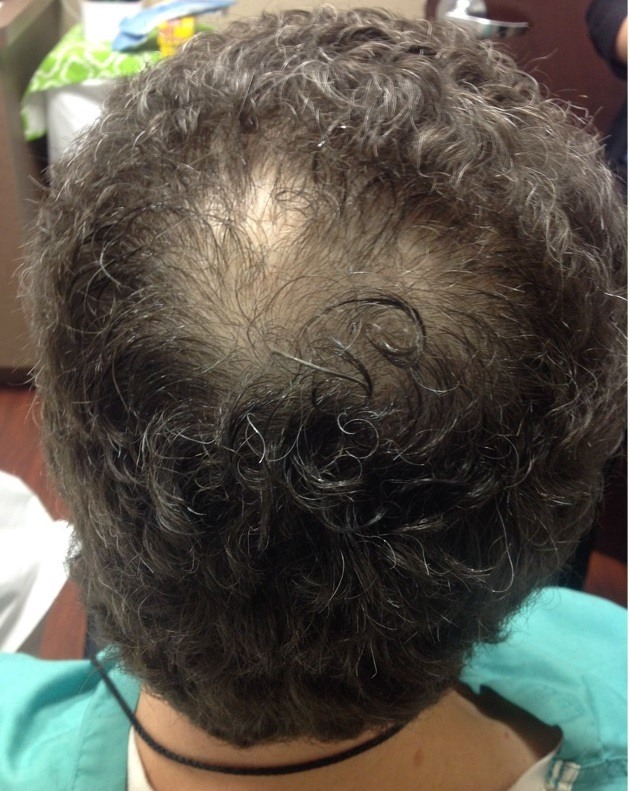
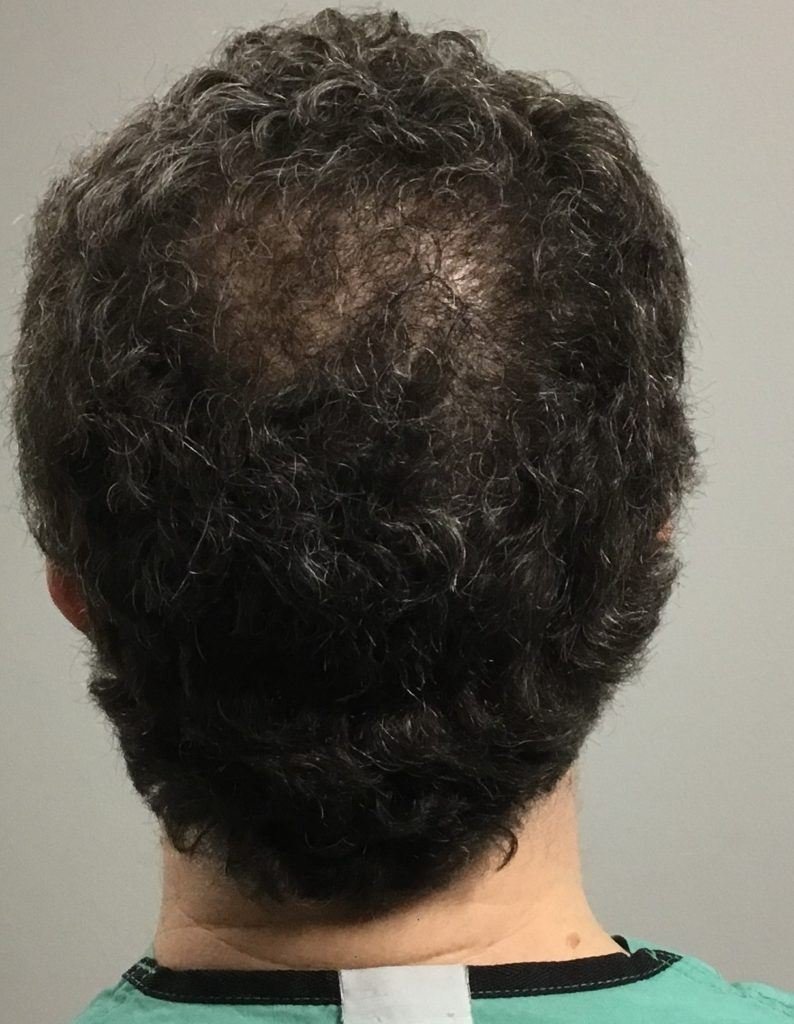
Actual results of Dr. Craig Singer. Individual results vary.
Frequently Asked Questions (FAQ)
What are the basic steps in performing PRP?
- After arrival to the office, we will bring you to the treatment room where the PRP procedure will take place.
- We ask that you sign an informed consent. Dr. Singer will provide a complete explanation of the risks and benefits. All questions will be answered at that time.
- Using a small butterfly needle, our medical team will draw 30 ML of blood from a vein in your arm.
- The blood is centrifuged and the PRP is extracted and prepared. During this step, there will be a 20 to 30 minute downtime for the patient.
- Using multiple punctures, Dr. Singer will inject the PRP fluid into the scalp using a 27 gauge needle.
Postoperative instructions are provided.
TOTAL TIME: 60 minutes
Does PRP hurt? What do you do to minimize pain?
PRP involves multiple injections using a small needle, and therefore there is some discomfort. The injections are spaced apart by a full inch and injected into the subcutaneous space leading to less pain than the original protocol.
We use ice and a vibratory device to minimize discomfort. No sedation is needed. Most people tolerate the procedure very well.
Will I be in discomfort after my PRP treatment?
Your scalp will feel somewhat “full” as there is fluid sitting within your scalp. This sensation will decrease throughout the day.
In addition, you may experience some mild soreness for the next 24 to 48 hours in the previous areas of injection. The soreness will not interfere with your normal daily activities.
All symptoms generally resolve within 72 hours.
Does PRP actually improve hair loss?
There are some conflicting data as to the success of PRP. Some studies show substantial benefit while others show less impressive response. The studies differ in the design and protocol used. In reviewing all studies, a “meta-analysis” discards studies that are poorly performed or lack certain criteria. It only includes well designed and reliable data in its analysis.
The largest meta-analysis (a group of studies pooled to determine a treatment outcome) published in 2018 examined PRP in 194 men and women with male and female pattern balding. The results were as follows: A significant increase in hair density was observed after PRP injections, and an increase in hair thickness cross-section favored the PRP group (versus those without PRP).
It is important to note that not all people with balding respond to PRP and some people respond better than others. The best current estimates are that 3 out of 4 people obtain positive results with approximately 25% to 50% improvement in density. Unfortunately, there is no way to predict ahead of time who will respond to PRP treatments.
Is hair growth from PRP permanent?
No. Once growth is obtained, maintenance injections are required every 6 to 12 months.
How much PRP fluid do you extract with each session?
Approximately 13-15 ML of PRP fluid (with 4 to 5 times concentrate of PRP) is extracted from the 30 mL blood draw.
What PRP system do you use?
We use the Crown Aesthetics ProGen PRP Advantage System, an FDA Cleared, Class II 510k device. The 30 ml collection tube yields larger volumes of growth factors.
How long will I be in the office?
Please plan on being in the office for approximately 60 minutes.
Will I be able to drive home after the procedure?
Yes. There are no restrictions on driving.
When can I wash my hair after the PRP session?
We recommend waiting until the next day to wash your hair.
Part of my scalp is completely bald. Will PRP help me?
Does PRP help all types of hair loss?
PRP has been most heavily studied in male and female pattern hair loss, the most common forms of balding.
Newer studies are showing that PRP is a safe and promising therapeutic option in alopecia areata.
Use of PRP for telogen effluvium has little published data though many hair loss experts around the country are using PRP for this condition with good results.
Use of PRP for traction alopecia also has little published data, though Dr. Singer has successfully treated a couple patients with this condition.
Am I a candidate for PRP?
People with hair thinning, in the following scenarios, meet criteria for PRP:
- Those who do not wish to start minoxidil (Rogaine) or hormone blocking medications (e.g. Propecia ™ or Spironolactone).
- Those who started minoxidil (Rogaine) or hormone blocking medications but stopped due to side effects.
- Those with hair thinning who had an improvement in their hair density with minoxidil (Rogaine) or hormone blocking medications and wish to try to achieve even further improvement (This is the category that Dr. Craig Singer was in prior to receiving PRP).
- Those undergoing hair transplantation.
- Those with alopecia areata, traction alopecia or chronic telogen effluvium who did not respond to standard treatments.
What do I need to do in order to prepare for PRP?
There are a few steps you will want to take before your session in order to maximize the results. Please email us at TopDoc@Singerderm.com for Pre-Procedure instructions.
Do you recommend PRP as the first line therapy for hair loss?
No. Because of the cost involved, we consider PRP to be a second or third line treatment option for hair loss.
What are there risks PRP?
Since PRP is harnessed from the person’s own blood, the risk of serious reactions are minimal.
Potential side effects include:
- Pain from injections
- Temporary swelling of the scalp
- Soreness of the scalp lasting several days
- Temporary shedding (very rare)
- Minor bruising
- Nerve injury during blood draw (quite rare)
- Unsatisfactory results
What is the cost involved for PRP?
PRP is not covered by insurance and is considered an elective procedure.
We charge $550 per individual session. However, a package of 4 treatments is $2000. – This provides a $50 discount per each treatment.
Do you have before-and-after results?
Yes. See Dr. Singer’s own PRP before-and-after results shown above on this page. The images are his actual scalp after four treatments.
Sources
- Gupta AK et al. Meta-analysis of efficacy of platelet-rich plasma therapy for androgenetic alopecia. J Dermatolog Treat. 2017 Feb;28(1):55-58.
- Giordano S, et al. A Meta-analysis On Evidence Of Platelet-rich Plasma for Androgenetic Alopecia. Int J Trichology. 2018 Jan-Feb;10(1):1-10. doi: 10.4103
- Albalat W, Ebrahim HM. Evaluation of platelet rich plasma versus intralesional steroid and treatment of alopecia areata. J Cosmet Dermatol. 2019 May 10.
PRP for hair loss near Detroit, MI
- Detroit
- Bingham Farms
- Bloomfield Hills
- Birmingham
- Southfield
- Royal Oak
- Berkley
- Pontiac
- Rochester Hills
- Troy
- Farmington Hills
- Macomb
Explore other cosmetic services

Patient testimonials

4.9
Based on Google reviews
HOUR Detroit Top Doc
Recognized dermatologist
About Dr. Craig Singer MD Dermatology
Located in Bingham Farms, Craig Singer MD Dermatology was founded in 2017 by Dr. Craig Singer, a board-certified dermatologist.
We specialize in medical, surgical and cosmetic dermatology, treating patients of all ages, newborn through elderly. We have expertise in a wide variety of skin conditions including eczema, acne, and warts as well as complicated dermatological issues that include hair loss and autoimmune disease. In addition, we are highly skilled in the evaluation of moles and skin cancer.
For more than 20 years, Dr. Craig Singer has helped thousands of patients look and feel their best.

20+ Years
Trusted by Thousands
Board-Certified
Dermatologist & Pediatrician