- Medical Dermatology
Hidradenitis Suppurativa
A chronic, often under-recognized skin condition marked by recurrent, painful boils in the armpits, groin, and other skin-fold areas.
Board-certified dermatologist Dr. Craig Singer evaluates and treats hidradenitis suppurativa at his Bingham Farms practice.
Quick facts
Affects
About 1 in 100 people
Women
Humira (adalimumab)
What is Hidradenitis Suppurativa?
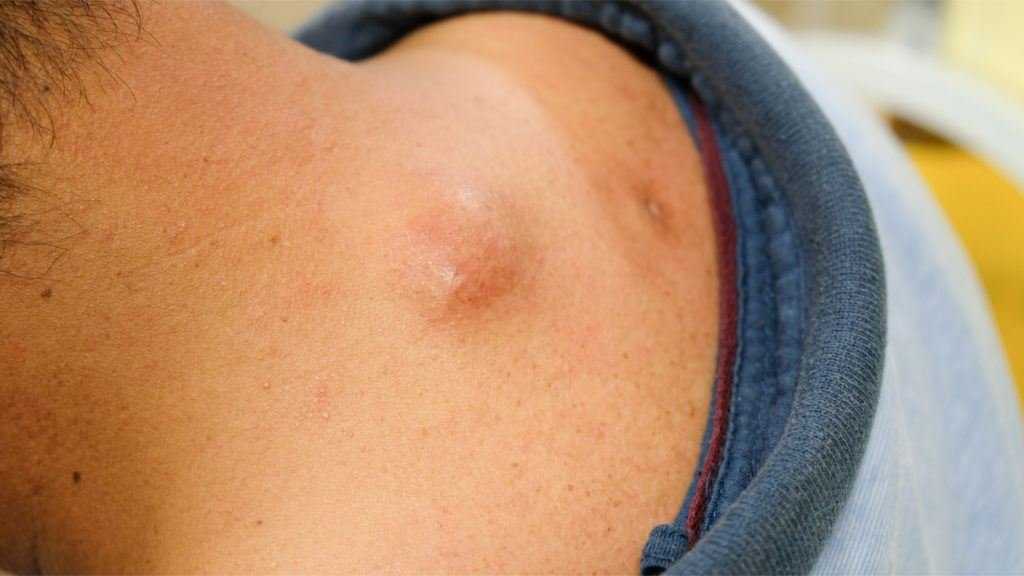
Hidradenitis Suppurativa (HS) is an under-recognized disease marked by chronic and recurrent boils (abscesses) localized to the axilla (armpits), underneath the breasts, groin, inner thighs, pubic area, buttocks and perianal region. Although HS is not contagious, some patients become secondarily infected with Staphylococcus aureus bacteria. In its earliest stage, a patient with hidradenitis suppurativa may develop a solitary abscess with healing, and then a month or two later will develop a new abscess. In other patients, the condition can become more persistent, with chronic abscesses developing into sinus tracts (i.e. tunnels underneath the skin). And rarely, the sinus tracts can become widespread with significant scarring.
What causes hidradenitis suppurativa?
The exact cause of HS isn’t fully understood, but several factors are strongly linked to developing and worsening it:
Genetics
Up to one third of people with HS have a family history of the condition.
Smoking
Cigarette smoking is strongly linked to developing and worsening HS.
Weight
Obesity contributes to both the development and the severity of HS.
What does hidradenitis suppurativa look like?
The clinical photos below are blurred to avoid showing potentially graphic content. Hover over an image to view it (or tap on mobile).
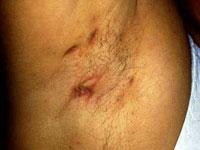
Stage 1
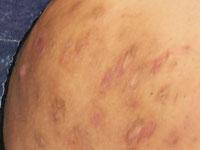
Scarring
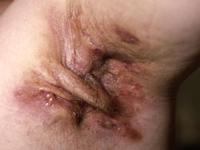
Severe scarring
The three stages of HS (Hurley staging)
Dermatologists grade hidradenitis suppurativa using the Hurley staging system, which helps guide treatment.
- Stage 1 · Mild
Isolated abscesses
One or more separate abscesses, without the tunnels (sinus tracts) or scarring. Lesions heal, then new ones appear weeks or months later.
- Stage 2 · Moderate
Recurrent with tunnels
Recurrent abscesses with sinus tracts and scarring, as one or more widely separated lesions with normal skin in between.
- Stage 3 · Severe
Widespread tracts
Diffuse, interconnected sinus tracts and abscesses across the whole area, with little or no normal skin in between.
How is hidradenitis suppurativa treated?
There is no single cure, but a range of treatments can control flares, ease pain, and prevent scarring. The right plan depends on the stage and severity, and it often combines several approaches.
Lifestyle & topicals
Weight loss, stopping cigarettes, and oral zinc (50–100 mg daily with food). Benzoyl peroxide or chlorhexidine washes and topical clindamycin help active lesions.
In-office injections
Intralesional cortisone (triamcinolone) can quickly calm mild lesions and flares.
Oral antibiotics
Doxycycline or minocycline reduce inflammation. For resistant cases, oral clindamycin with rifampin can induce remission; a combination of minocycline and colchicine shows promise.
Hormonal & other oral options
Spironolactone (in women), dapsone, and finasteride (in men) may help selected patients.
Biologic therapy
Humira (adalimumab) is FDA-approved for HS. On average, about 50% of people get 50% improvement.
Procedures & surgery
NdYAG laser, deroofing of sinus tracts, and wide surgical excision are options for persistent or severe disease.
Frequently asked questions
Why recurring boils happen, what stage 1 HS looks like, fading the dark spots after flares, and the treatments that help.
Are recurring boils on the inner thigh a sign of HS?
Often, yes. Recurring, painful boils or abscesses in places where skin rubs together, such as the inner thighs, groin, underarms, and under the breasts, are a hallmark of hidradenitis suppurativa, especially when they keep returning in the same spots. If you have boils that come back, it is worth being evaluated for HS.
What is stage 1 (early) hidradenitis suppurativa?
Stage 1, also called Hurley stage I, is the mildest form. There are one or a few isolated boils or abscesses without the sinus tracts (tunnels under the skin) or extensive scarring seen in later stages. Recognizing and treating HS early gives the best chance of keeping it from progressing.
How do you get rid of the dark spots left by HS?
The dark marks left after HS flares are post-inflammatory hyperpigmentation. They tend to fade slowly over time, and fading can be helped by keeping the active disease under control, protecting the area from friction and sun, and, in some cases, prescription lightening creams. Dr. Singer can recommend an approach based on your skin.
How common is HS?
It is estimated that 1% of the population, roughly 1 in 100 people, will develop HS. The condition seems to be more common in females and usually presents between the ages of 20 to 40 years.
Why do some patients get HS?
Scientists believe that genetics play a role, as up to one third of people with HS have a family history. They also believe that environmental factors, such as obesity and smoking, contribute to development of HS.
What are the complications of HS?
Complications of HS include scarring, sinus tract formation, chronic drainage, malodorous discharge, and pain. Often the pain and the persistence of the disease can lead to significant emotional effects such as anxiety and depression.
What therapies are available for HS?
For all patients, it’s best to start with some lifestyle modifications that include the following:
- Weight loss
- Eliminate cigarettes
- Oral zinc 50 – 100 mg a day with food
- Benzoyl peroxide wash or chlorhexidine wash
- Clindamycin gel or solution to any active lesions
Intralesional cortisone injections ( triamcinilone ) for mild lesions or mild flares can be quite useful. Recent scientific data has supported this therapy.
For more frequent inflammatory lesions, patients will often start on an antibiotic regimen such as oral doxycycline or minocycline. It is important to know that antibiotics are not treating a bacterial infection but rather the inflammation associated with the condition.
For lesions that do not respond to the above antibiotics, a regimen of oral clindamycin with oral rifampin has been shown in studies to be effective in inducing remission of the disease. Diarrhea may be seen as a side effect of this treatment. And in addition, it is important to remember that rifampin can have interactions with other medications, for example, it can make birth control pills less effective.
Studies have shown that NdYAG 1064 and other hair removal lasers may be effective in controlling HS.
A recent study combining minocycline and colchicine has shown some promise.
Oral spironolactone (an androgen blocking agent ) in women can be helpful.
Oral dapsone may be helpful.
In men, it may be reasonable to try finasteride 5 mg a day.
Humira 40 mg weekly has been FDA approved for the treatment of HS. On average, 50% of people get 50% improvement.
Deroofing of sinus tracts and wide surgical excision are other options.
You are not alone.
The emotional effects of HS can be devastating. For people suffering with this condition, a local support group in Detroit is available through Henry Ford Hospital. Please visit Hope for HS. There is hope, you are not alone.
Sources & references
- Hidradenitis Suppurativa Foundation
- DermNet NZ: colchicine, anti-androgen therapy, dapsone, finasteride
- Humira (adalimumab) for Hidradenitis Suppurativa
- DermNet: Hidradenitis suppurativa (causes and Hurley staging)
- Hope for HS
Explore other medical conditions

Patient testimonials

4.9
Based on Google reviews
HOUR Detroit Top Doc
Recognized dermatologist
About Dr. Craig Singer MD Dermatology
Located in Bingham Farms, Craig Singer MD Dermatology was founded in 2017 by Dr. Craig Singer, a board-certified dermatologist.
We specialize in medical, surgical and cosmetic dermatology, treating patients of all ages, newborn through elderly. We have expertise in a wide variety of skin conditions including eczema, acne, and warts as well as complicated dermatological issues that include hair loss and autoimmune disease. In addition, we are highly skilled in the evaluation of moles and skin cancer.
For more than 20 years, Dr. Craig Singer has helped thousands of patients look and feel their best.

20+ Years
Trusted by Thousands
Board-Certified
Dermatologist & Pediatrician