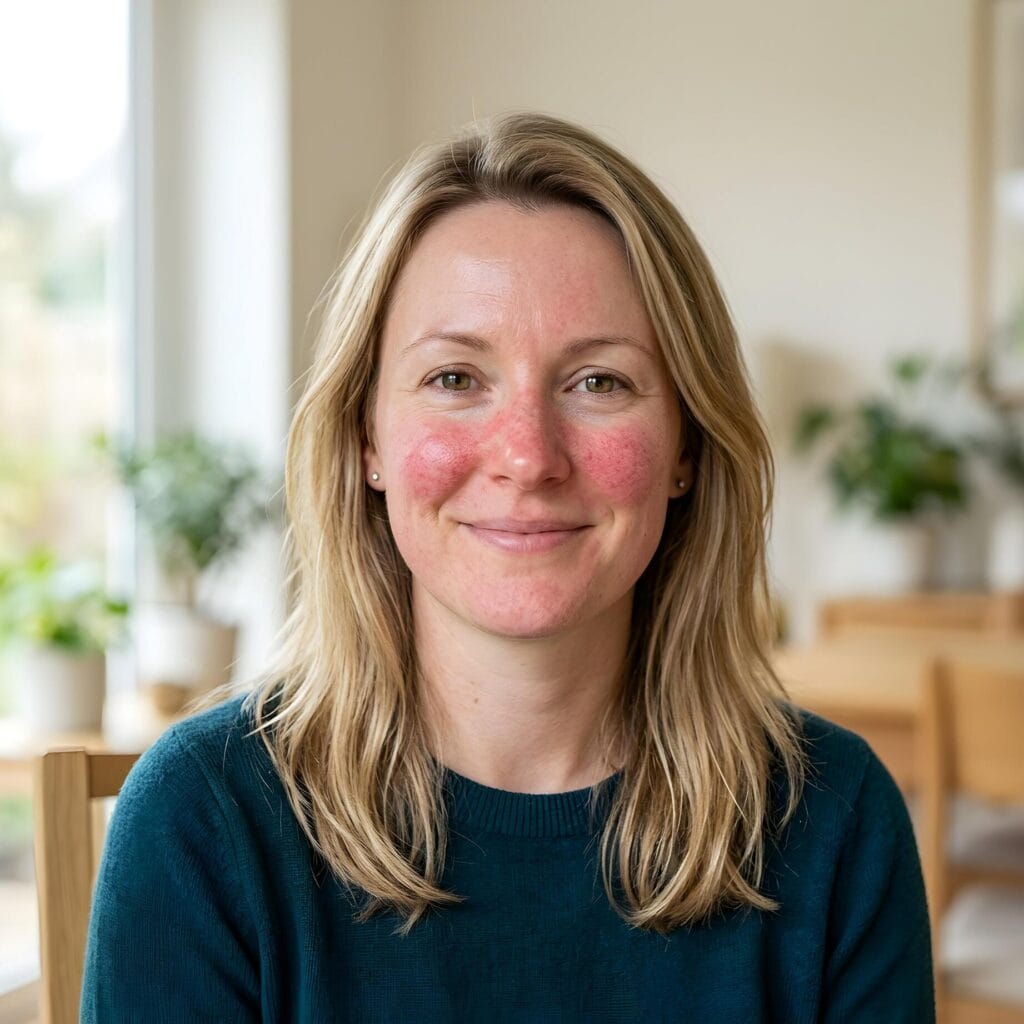
An itchy skin condition, also known as atopic dermatitis. Expert care for children and adults in Bingham Farms.
Board-certified in both dermatology and pediatrics, Dr. Craig Singer treats eczema at every stage of life.
Also known as
Dupixent, light therapy
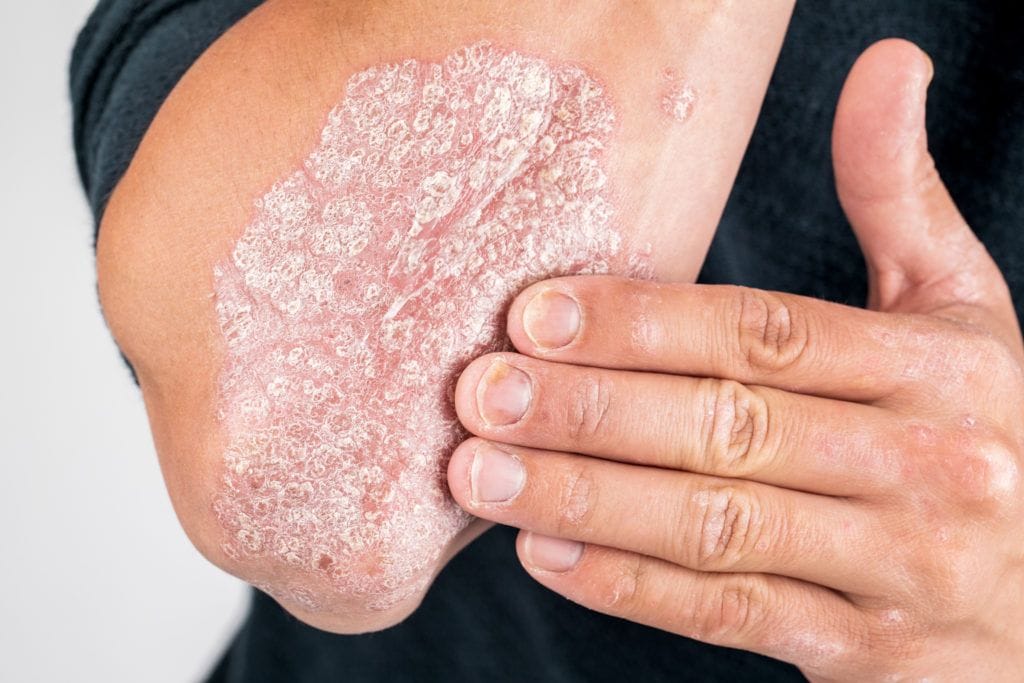
Eczema (AKA Atopic Dermatitis) is an itchy skin condition characterized by scaly red patches with bumps, oozing, and crusting. People suffering from eczema have intense itching relieved by scratching which produces secondary thickening of the skin. The hallmark of eczema is recurrence of itchy red skin in typical locations.
Eczema usually starts in childhood with more than 50% affected before one year of age, and 85% affected by five years of age. Although eczema often improves or resolves in many children over time, the disease may persist into adulthood. Those with more severe disease during childhood and those whose eczema started later in life have a higher likelihood of persistence.
Watch: Eczema Treatment Patient Education Video
A family history of eczema, asthma, or hay fever, and a naturally drier, more permeable skin barrier.
Soaps, fragrances, wool, heat and sweat, dust, and pet dander can all trigger a flare.
Low humidity and frequent washing dry the skin, which worsens the itch and the flares.
Eczema looks different at every age. Here’s what it typically looks like in infants, children, and adults and how Dr. Singer tailors treatment to each stage.
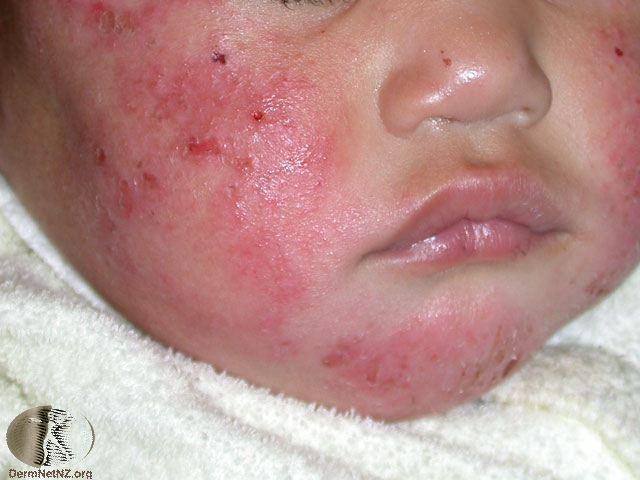
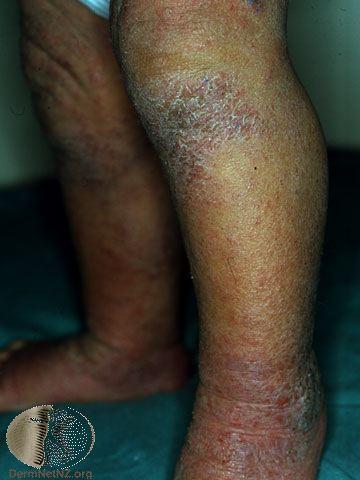
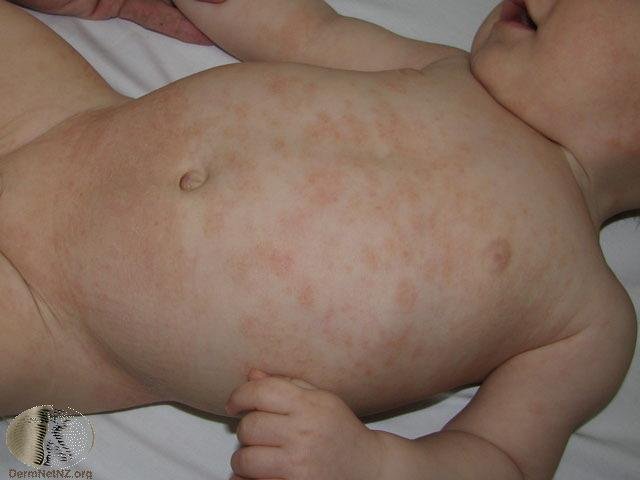
Infantile eczema (seen between birth and one year of age) is characterized by sudden onset of redness, scaling, crusting, oozing, rubbing and scratching. Lesions typically start on the cheeks and chin and scalp, and then spread to the trunk, outer arms and legs. There typically is sparing of the nose and diaper region. Many infants with eczema have difficulty sleeping due to itching.
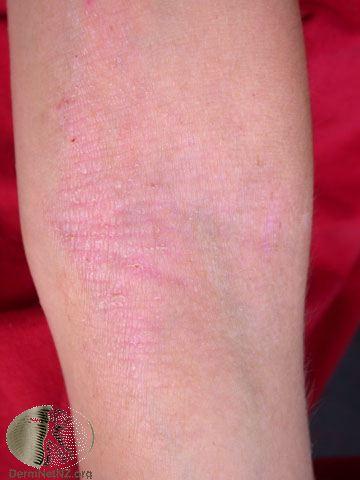

The childhood form of atopic dermatitis (seen between two years of age and puberty) is characterized by chronic areas of scaly red patches typically on the antecubital fossa (i.e. front of the elbows), popliteal fossa (i.e. behind the knees), ankles and wrists, hands and feet. Facial involvement typically involves areas around the mouth (lip licking dermatitis), around the eyes, and corners of the ear lobes. In patients with darker skin types, atopic dermatitis may manifest as papular or follicular based lesions often with white discoloration (hypopigmentation). As in all forms of eczema, itching is a hallmark of the disease.
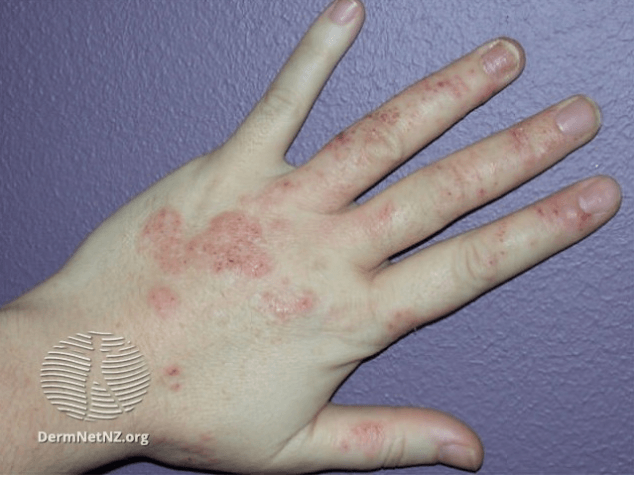
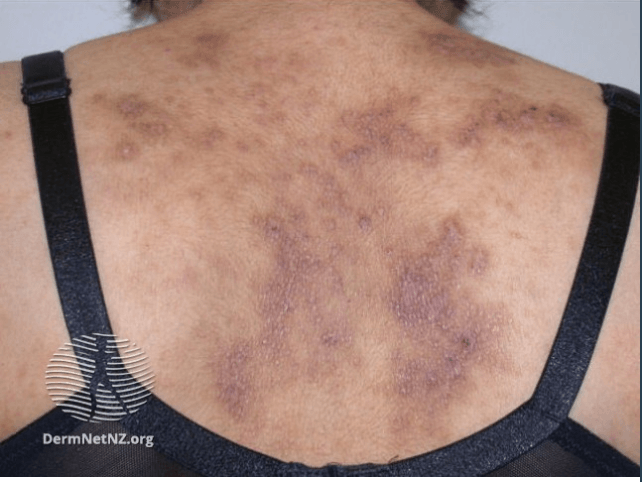
The adult form of atopic dermatitis (which develops at puberty and extends into adulthood) will usually show areas of chronic scaly red patches on the wrists, hands, neck and ankles, and sometimes involvement on the face, back, and upper arms. Secondary areas of thickening and lichenification may be seen from scratching.
There is no cure for eczema, but a consistent routine controls the itch, calms flares, and protects the skin barrier. Treatment is matched to severity and often combines a few approaches.
Fragrance-free moisturizers applied right after bathing are the foundation of eczema care and reduce flares.
Lukewarm baths, mild non-soap cleansers, and avoiding known irritants and triggers.
Prescription steroid creams quickly calm inflamed, itchy patches during a flare; used correctly, they are safe and effective.
For moderate-to-severe eczema, options such as Dupixent (dupilumab) target the underlying inflammation.
Antihistamines for itch, and antibiotics if the skin becomes secondarily infected.
Bathing and swimming, triggers and food allergy, topical steroids, non-steroid options, and systemic treatment.
There are no official guidelines which dictate the frequency with which patients with atopic dermatitis should bathe. Dr. Singer’s opinion is that patients with eczema should bathe once daily under the following conditions:
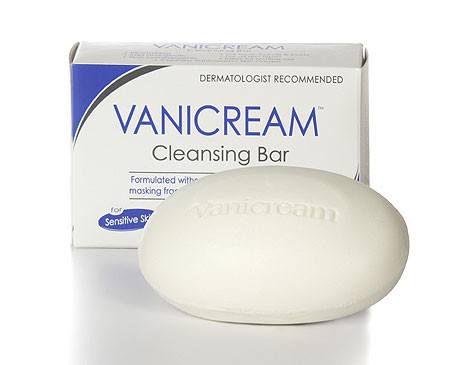
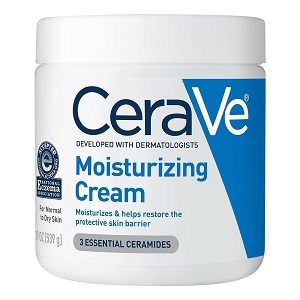
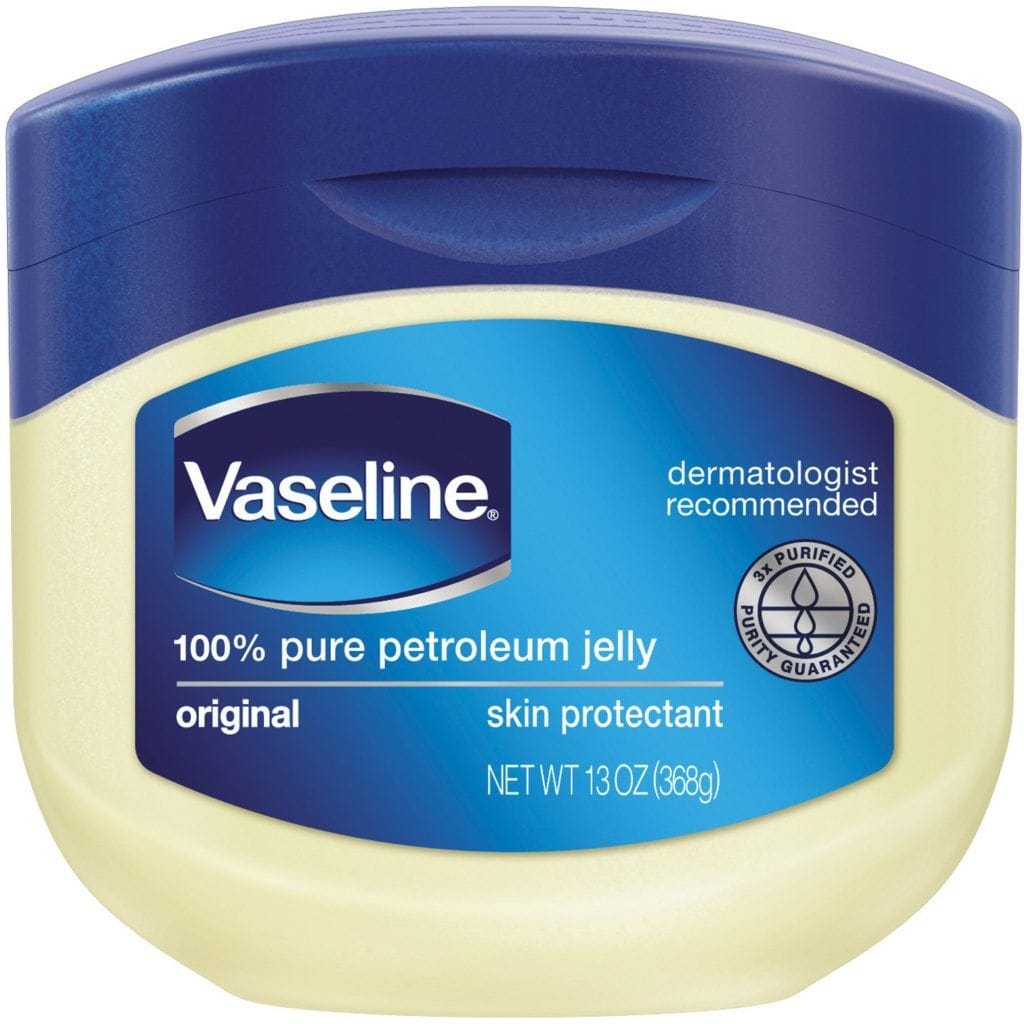
Examples of moisturizers include Vaseline petroleum jelly, Aquaphor Healing ointment, Cetaphil moisturizing cream, CeraVe cream, Vanicream moisturizer, and Aveeno eczema moisturizer.
The addition of bleach to the bath water, also known as a “bleach bath,” has been recently shown to reduce colonization of bacteria on the skin which may flare eczema. Dr. Singer might discuss this treatment option with the patient if he feels this is necessary.
It is okay for patients with eczema to swim as long as the exposure to water is not prolonged more than 30 minutes. In addition, he or she must rinse off immediately after exiting the pool and apply a thick emollient within 3 minutes of exiting the pool.
Cleansers
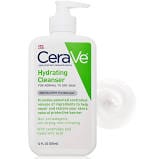
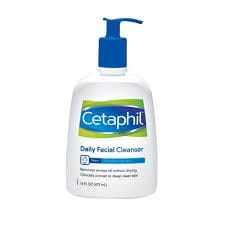
Moisturizers
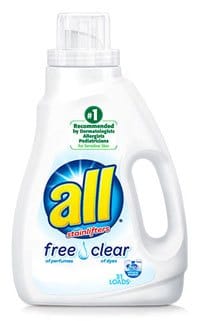
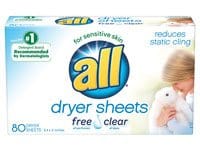
Laundry Detergent
The role of food allergy in patients with eczema is controversial. Although up to 35% of patients with severe eczema have food allergy, only a small percentage of these patients have food allergies relevant to their eczema. Recent studies support early introduction of peanut to reduce the incidence of peanut allergy. Those infants with moderate to severe eczema, however, should probably consult an allergist prior to introduction of peanut.
Topical steroids are the first-line therapy for treatment of eczema. Many patients and their parents are fearful of using topical steroids due to potential side effects. Local side effects of topical steroids can include thinning of the skin, stretch marks, visible blood vessels, pimples, etc. However, if applied properly, topical steroids rarely produce local side effects. Topical steroids are graded as strong, mid-potency, and weak based upon vasoconstrictive assays.
Very strong steroids (e.g. Floucinonide) are only indicated for adults and children over 12 years of age. Areas of skin that have been scratched at frequently require strong topical steroids.
Medium Strength steroids(e.g. Triamcinilone 0.1% ) are used on thicker skin regions of the body such as the arms, legs, and trunk.
Low potency steroids (e.g. Desonide) are reserved for sensitive skin areas such as the face, armpits, groin and inner thighs. This class is often appropriate for infants.
Very weak steroids are found in over-the-counter preparations such as 1% hydrocortisone® Cortaid®. These are often too weak to control eczema.
In general, steroids ointments are more effective than creams and lotions because they are more occlusive. In addition, sometimes saran wrap or wet wraps are used to further occlude topical steroids to increase their potency.
The topical steroid is applied twice daily to active patches of eczema until the site is “itch free and flat.” What does “itch free and flat” mean? It means that the active areas of eczema are no longer itchy to the patient and they feel smooth to the touch just like normal skin. Even if the skin looks discolored (i.e. lighter or darker in color) it is considered to be “itch free and flat” as long as it is smooth to the touch and not itching. At this point, the topical steroid is no longer applied every day. Instead, the patient may be instructed to apply topical steroid to the previous area of eczema 2 to 3 times a week (e.g. Mondays and Thursdays) in order to prevent flaring of the eczema. Twice-weekly application of appropriate strength topical steroid rarely produces injury to the skin, because the skin has a chance to recover during the other five days a week.
So the first goal is to calm down active areas of eczema until there is no more itching and the skin is smooth. The next phase of treatment is to maintain clear skin without producing side effects of the topical medications. Sometimes frequent use of moisturizers and avoidance of triggers is sufficient to maintain the skin; but other times, control of eczema may require twice weekly topical steroid, or non-steroidal anti-inflammatory medications such as Elidel, Protopic, or Eucrisa.
Finally, it is important to remember that topical steroids should always be applied before application of moisturizers to ensure that the topical steroid penetrates the areas of eczema. The moisturizer is then applied to areas of normal skin (but not on top of the steroid).
In general, a very thin layer of topical steroid is typically applied to the skin, just enough to produce a nice shine to the skin. If one were to squirt a thin strip of cortisone cream from the last crease of the index finger to the tip of the finger (i.e. a finger tip unit), this would provide enough cream to cover the size of one hand. It takes about 30 g of cream to cover an entire adult body.
Class I topical steroid (super high potency)
Class II (high potency)
Class III/IV (medium potency)
Class V (low-medium potency)
Class VI (low potency)
Class VII (lowest potency)
Eucrisa is not a steroid.
On March 25, 2020, the FDA approved Pfizer’s supplemental new drug application for Eucrisa ointment, 2%, for children as young as age 3 months with mild-to-moderate atopic dermatitis. In the study, Eucrisa was well tolerated and demonstrated effectiveness in patients with eczema with no new safety signals identified.
In December 2016, the FDA approved Eucrisa for the treatment of mild to moderate atopic dermatitis in adults and children older than two years of age. Eucrisa reduces inflammation, redness and itching in eczema. The potency of Eucrisa is probably similar to a low potency cortisone cream. Unlike steroids, Eucrisa does not produce thinning of the skin, stretch marks or bruising. The main side effects are burning and stinging, particularly with the first and second applications. Often, Eucrisa is used in combination with topical steroids to help maintain control of eczema. Eucrisa may be used continuously on normal appearing skin.
Protopic and Elidel are not steroids.
Around 2002, Protopic and Elidel (AKA tacrolimus and pimecrolimus) became FDA approved for the treatment of eczema in children older than two years of age and adults. These agents have a long history of safety. These creams can be safely used anywhere on the body, including thin skin areas such as the groin, armpits and eyelids.
Elidel and Protopic reduce inflammation, redness and itching in eczema. Elidel and Protopic 0.03% are equivalent in strength to a low potency topical steroid, whereas Protopic 0.1% is equivalent to a mid-potency topical steroid. Since Elidel and Protopic are not steroids, they do not produce the local side effects that topical steroids do such as thinning of the skin, stretch marks, bruising, etc. However, they have been associated with a stinging and burning sensation upon application which typically improves after using the medication for a week. Sometimes, topical steroids are used for several days first before the application of Elidel or Protopic in order to reduce burning and stinging sensations. Elidel and Protopic are FDA approved for intermittent use, three times a week long-term, and are often used in conjunction with topical steroids.
In 2006, the FDA issued a black box warning regarding Elidel and Protopic with increased risk of lymphoma and skin cancer. These risks were mainly based upon patients ingesting these medications by mouth for transplantation and in animal studies where 30 times the human dose was used. Many human scientific studies since then have confirmed the safety of these topical therapies. Data over the past 10 years has not shown any increased risk of lymphoma or skin cancer with topical use of Elidel and Protopic. Finally, the American Academy of Dermatology has found no evidence to support the issuance of this black box warning.
For those patients who don’t get better with topical treatments or whose eczema covers much of the skin, systemic treatments are necessary.
Light treatment (Narrowband UVB) is frequently used in psoriasis, and has been shown in some studies to be an effective treatment option for eczema as well. Light therapy is required two to three times a week until the eczema clears, and then long-term maintenance therapy is often required. Those with fair skin and blue eyes are at higher risk for long-term effects of light treatment. Unlike tanning salons, narrowband UVB has not been associated with increased risks of skin cancer.
Traditional oral systemic agents for eczema such as cyclosporine, methotrexate, and mycophenolate have been used “off label” for decades to treat severe eczema in children and adults. These treatments may produce substantial improvement of eczema. However, these medications may have side effects such as bone marrow suppression, immune suppression, irritation of the liver, kidney damage and high blood pressure.

Based on Google reviews
Recognized dermatologist
Located in Bingham Farms, Craig Singer MD Dermatology was founded in 2017 by Dr. Craig Singer, a board-certified dermatologist.
We specialize in medical, surgical and cosmetic dermatology, treating patients of all ages, newborn through elderly. We have expertise in a wide variety of skin conditions including eczema, acne, and warts as well as complicated dermatological issues that include hair loss and autoimmune disease. In addition, we are highly skilled in the evaluation of moles and skin cancer.
For more than 20 years, Dr. Craig Singer has helped thousands of patients look and feel their best.

Trusted by Thousands
Dermatologist & Pediatrician