- Medical Dermatology
Rosacea
A common, chronic inflammatory condition that causes facial redness, flushing, visible capillaries, and acne-like bumps. It is very controllable with the right routine and treatment.
Board-certified in both dermatology and pediatrics, Dr. Craig Singer evaluates and treats rosacea at his Bingham Farms practice.
Quick facts
What it is
Most common in
Fair-skinned adults (Eastern European ancestry)
About 10% (ocular rosacea)
Contagious?
No
Goal
Control (no permanent cure)
What is Rosacea?
(pronounced “Roh-Zay-Shah”)
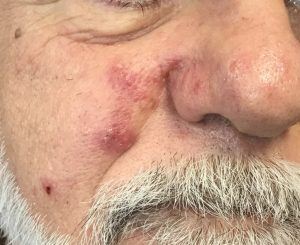
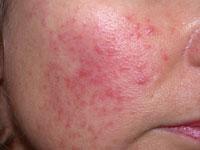
Rosacea is a common inflammatory skin condition of unknown cause that is seen most commonly in adults with fair skin and blue eyes (Eastern European ancestry). It consists of a combination of redness of the central face (cheeks, nose, chin and forehead), flushing, tiny broken capillaries, sensitive skin, red bumps and pimples. About 10% of people with rosacea can have involvement of their eyes and have symptoms of gritiness, foreign body sensation and irritation of the eyes.
Rarely, when rosacea goes untreated, it can produce nodular swellings and irregularities of the nose (i.e. rhinophyma) or patches of persistent swellings of the cheeks.
What does rosacea look like?
How Dr. Singer helps patients with rosacea
Rosacea is very controllable. Dr. Singer builds a plan around your skin, from gentle daily care to prescription and laser treatment.
1
Accurate diagnosis
A careful history and skin exam to confirm rosacea and rule out look-alike conditions.
2
A gentle skincare plan
3
Finding your triggers
Identifying what flares your rosacea, such as sun, heat, alcohol, spicy food, or stress, so flares become less frequent.
4
Prescription therapy
5
Laser & light
6
Ongoing maintenance
Because rosacea is chronic, we focus on long-term control with simple, sustainable care.
Frequently asked questions
Why rosacea develops, how it is diagnosed, and how it is treated.
Cleansers & skincare for rosacea
What is the best face wash or cleanser for rosacea?
The best cleansers for rosacea are gentle, fragrance-free, and non-irritating. Dr. Singer recommends a mild cleanser such as Cetaphil Gentle Skin Cleanser, CeraVe Hydrating Cleanser, or Vanicream, all of which clean without stripping the skin. Wash with your fingertips rather than a washcloth or scrub, rinse with lukewarm (not hot or cold) water, and pat dry. Follow with a moisturizer and a morning sunscreen.
Because rosacea shows up as persistent facial redness and flushing, the right gentle, fragrance-free face wash calms redness instead of triggering it. Harsh or scrubby cleansers make rosacea worse.
Is Vanicream good for rosacea?
Yes. Vanicream is one of the gentlest options for rosacea-prone and ultra-sensitive skin because it is free of fragrance, dyes, and other common irritants. Its short, simple ingredient list makes a stinging or burning reaction less likely, which is why it is a common first choice for sensitive, reactive skin.
Are CeraVe and Cetaphil good for rosacea?
Yes. Both are gentle, affordable, and widely recommended. CeraVe Hydrating Cleanser contains ceramides and hyaluronic acid that help repair the skin barrier, which is often weakened in rosacea. Cetaphil Gentle Skin Cleanser is a long-trusted, mild cleanser for reactive skin. Either is a good everyday choice.
What is the best moisturizer for rosacea?
Rosacea-prone skin does best with a gentle, fragrance-free moisturizer used twice a day. In the morning, choose one with sunscreen, since sun is a leading trigger, options like a daily SPF moisturizer or EltaMD UV Clear (SPF 46) work well. At night, a richer cream such as CeraVe, Vanicream, or Neutrogena Hydro Boost helps repair the skin barrier and calm sensitivity. Keeping skin well moisturized makes flares less frequent.
How should I wash my face if I have rosacea?
Wash gently. Use a small amount of a mild, fragrance-free cleanser with your fingertips, not an abrasive washcloth, sponge, or scrub. Rinse with lukewarm water, since hot or cold water can trigger flushing, and pat your skin dry rather than rubbing. Cleanse twice a day and after sweating, and always follow with a moisturizer.
What skincare should I avoid with rosacea?
Avoid anything harsh or irritating: physical scrubs and exfoliating brushes, alcohol-based toners and astringents, fragrances and essential oils, menthol, witch hazel, and very hot or cold water. Introduce new products one at a time so you can tell what your skin tolerates. The simpler the routine, the less likely a flare.
Can rosacea be treated over the counter?
A gentle skincare routine and daily sunscreen are the over-the-counter foundation of rosacea care, and some people benefit from over-the-counter azelaic acid or sulfur-based products. For persistent redness, bumps, or pustules, prescription treatments (such as metronidazole, ivermectin, or Rhofade) and in-office laser are more effective. Dr. Singer can help you build the right routine.
About rosacea
Why does rosacea develop?
It is not clear why some people get rosacea and others don’t. Although we are unsure as to the exact cause, there are probably complex mechanisms that involve both genetics and environmental influences. Certain triggers are known to flare rosacea such as spicy foods, alcoholic beverages such as wine, hot beverages, sun exposure, heat, wind, and emotional influences.
Is rosacea contagious?
No. Rosacea is not contagious. You cannot catch it from, or pass it to, another person. It is a chronic inflammatory skin condition, most common in fair-skinned adults.
Does rosacea itch?
Rosacea more often causes stinging, burning, and sensitivity than true itching, though some people do feel itchy. The skin tends to be reactive and easily irritated, which is why a gentle routine and trigger avoidance matter.
What are the types of rosacea?
Rosacea has a few patterns that can overlap: redness and flushing with visible capillaries (erythematotelangiectatic), acne-like bumps and pustules (papulopustular), thickening of the skin such as on the nose (phymatous, or rhinophyma), and involvement of the eyes (ocular rosacea), which causes grittiness and irritation.
Does rosacea get worse with age?
Left untreated, rosacea can become more persistent over time, and in some people it leads to thickening of the skin of the nose (rhinophyma) or lasting swelling. The good news is that with the right skincare and treatment, rosacea is very controllable at any age.
How is rosacea diagnosed?
Rosacea is diagnosed based on a history of recurrent redness, flushing, pimples, and pustules as well as through careful physical examination. Also if there is a family history, the diagnosis is more suggestive.
Treatment
How is rosacea treated?
The first step in treating rosacea is to begin with a gentle skin care regimen, such as mild cleansers and use of moisturizers with sunscreen. Examples of mild cleansers include Cetaphil facial cleanser™, Cerave hydrating cleanser™, and Vanicream cleansing bar™. Also, patients with rosacea should use a moisturizer with sunscreen every morning as ultraviolet light is known to trigger rosacea. Patients with rosacea should also moisturize nightly too because the skin is more prone to irritation and dryness.
The second step in the treatment of rosacea is avoidance of triggers. Some patients may notice flares of rosacea with consumption of red wine or other alcoholic beverages, while others may notice flaring with spicy foods. Other common triggers of rosacea include sun exposure, emotional stress, wind, hot beverages, and caffeine. If you are out for dinner on a Friday or Saturday night, and you start to feel flushed or red, chewing on ice chips or sorbet may help cool you down and reduce the flushing episode.
Prescription therapy
Multiple prescription therapies are available and include:
- Sulfur/Sulfacetamide wash, lotions and creams
- Metronidazole cream and gel
- Ivermectin cream (Soolantra™)
- Finacea foam and gel™ (Azeleic acid)
- Low dose oral antibiotics such as doxycycline
- Rhofade cream™, a topical vasoconstrictor that helps with flushing
- Pulsed dye laser / Intense pulsed light, the most effective therapy for the tiny capillaries.
Dr. Singer would be happy to discuss the best treatment option and skin care regimen with you.
It is important to remember that although rosacea is controllable, there is no permanent cure. Rosacea is a chronic condition and will require ongoing maintenance therapy.
Can rosacea be cured?
There is no permanent cure for rosacea, but it is very controllable. With a gentle skincare routine, trigger avoidance, and the right prescription or laser treatment, most people keep their rosacea well managed. It is a chronic condition that does best with ongoing maintenance.
A simple rosacea skincare routine
Most rosacea calms down with a short, gentle routine.
Cleanse — a gentle, fragrance-free cleanser (such as Vanicream or CeraVe Hydrating) morning and night
Moisturize — a fragrance-free moisturizer to repair the skin barrier and reduce sensitivity
Protect — a mineral SPF 30+ every morning, since sun is a top rosacea trigger
Gentle skincare products for rosacea-prone skin
For the cleanse and moisturize steps, the right products matter most. These gentle, fragrance-free picks are made for sensitive, rosacea-prone skin, so they hydrate and protect the barrier without triggering flares. Here are the ones Dr. Singer recommends:
Mild facial cleansers
Gentle, fragrance-free cleansers that clean without stripping the skin.
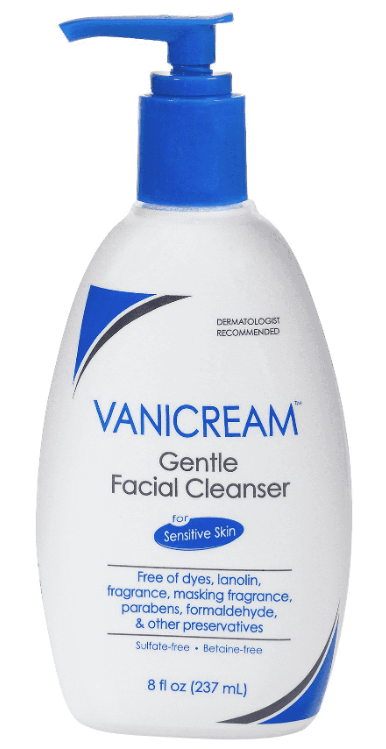
Vanicream Gentle Facial Cleanser
CeraVe Hydrating Cleanser

Cetaphil Gentle Skin Cleanser
Morning moisturizers with sunscreen (SPF)
A daily moisturizer with sunscreen every morning, since ultraviolet light is a known trigger.
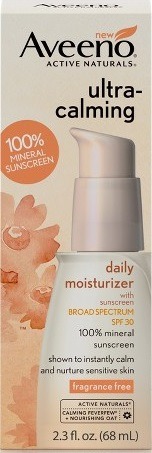
Aveeno daily SPF moisturizer
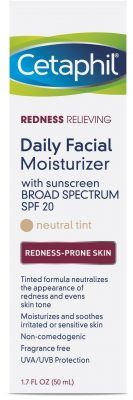
Cetaphil daily SPF moisturizer
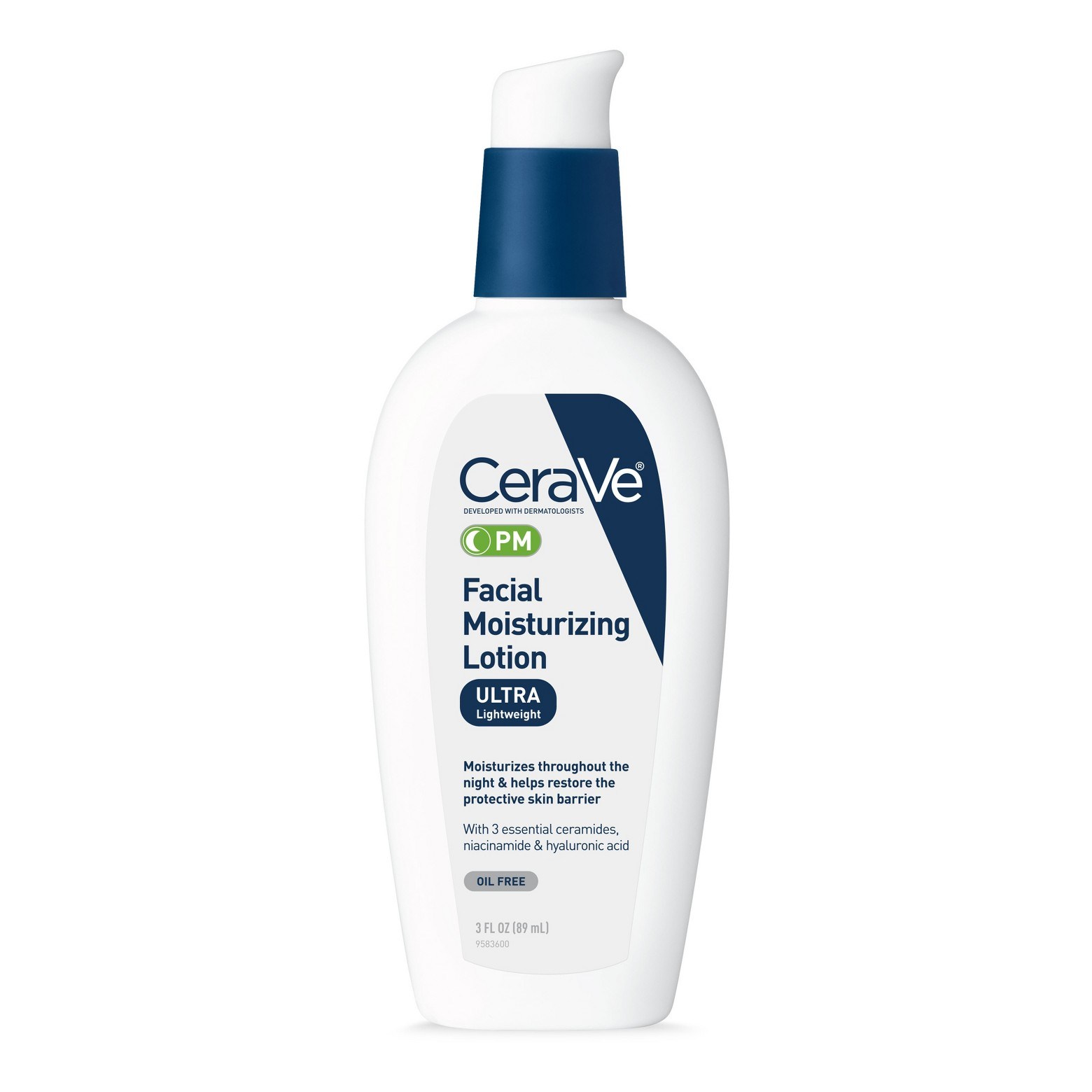
CeraVe AM lotion (SPF 30)
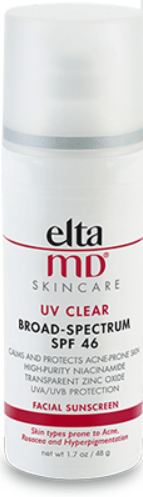
EltaMD UV Clear (SPF 46)
Evening moisturizers
A nightly moisturizer, because rosacea-prone skin is more prone to irritation and dryness.
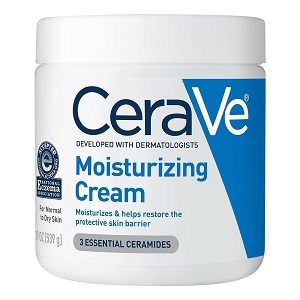
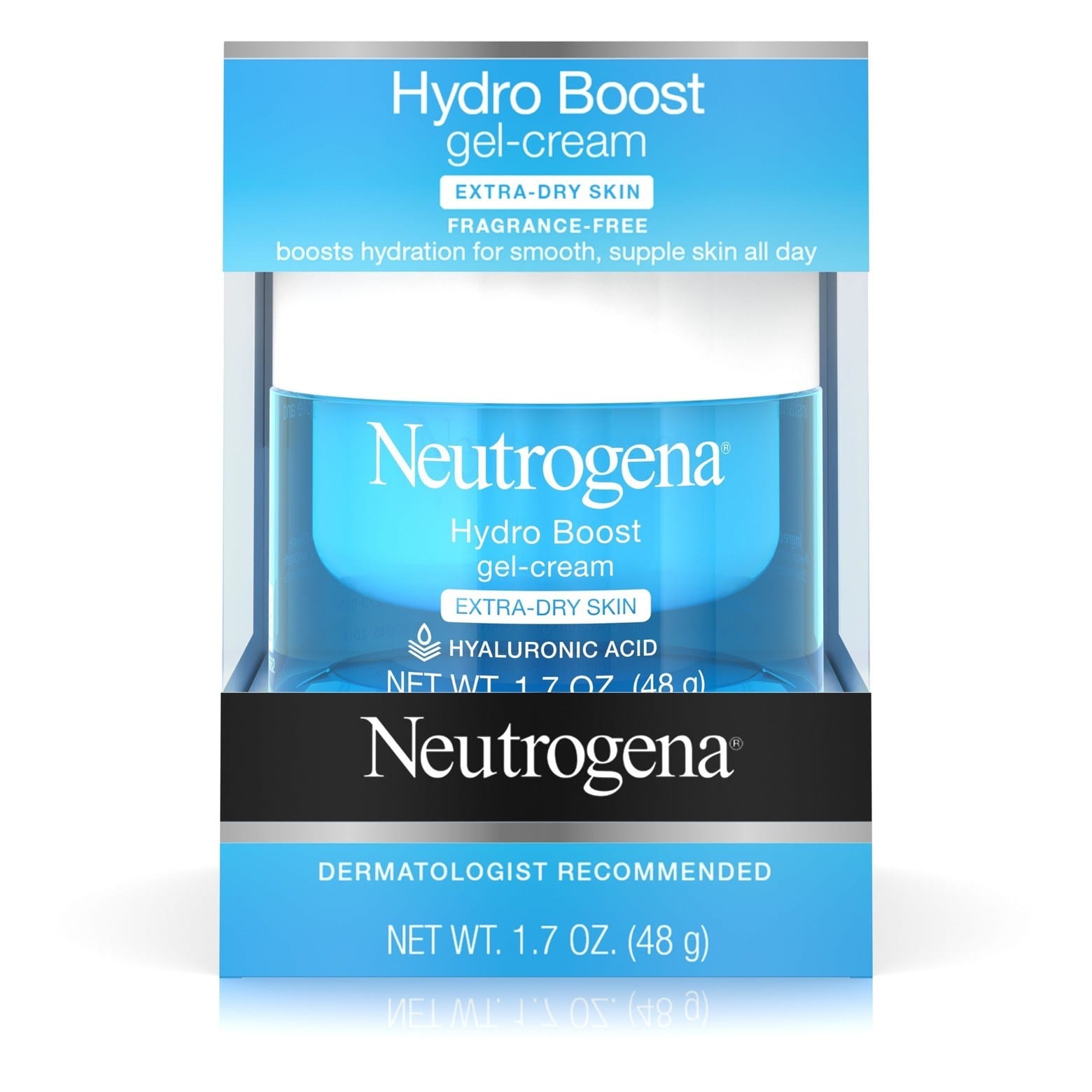
Neutrogena Hydro Boost
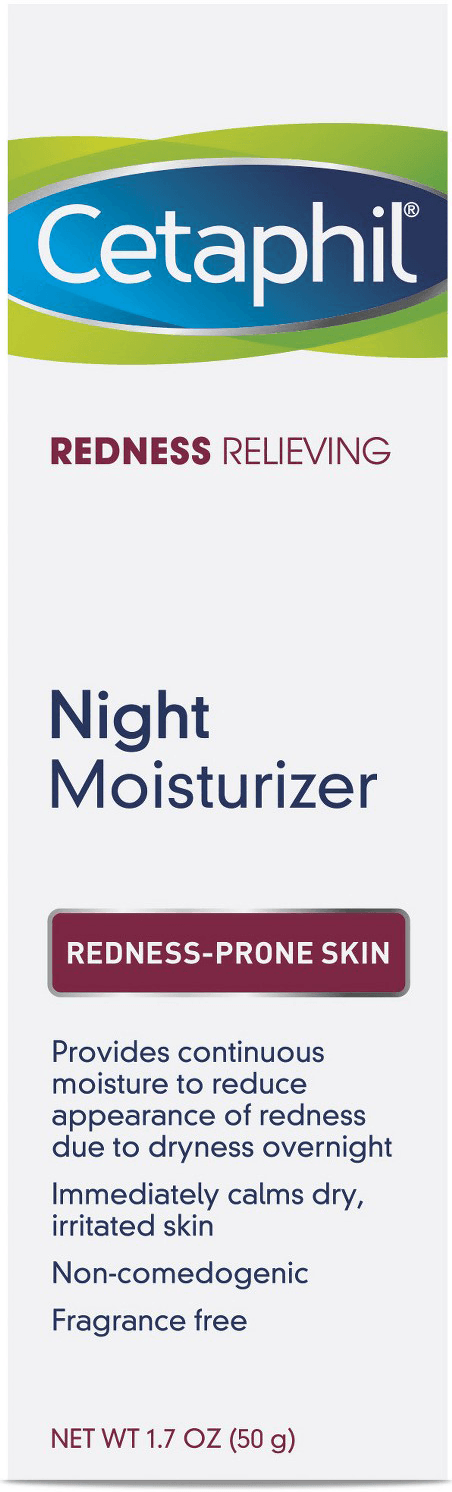
Cetaphil night moisturizer
Dr. Singer also offers professional-grade skincare and sunscreens through our online skincare shop.
Sources & references
Explore other medical conditions
Patient testimonials

4.9
Based on Google reviews
HOUR Detroit Top Doc
Recognized dermatologist
About Dr. Craig Singer MD Dermatology
Located in Bingham Farms, Craig Singer MD Dermatology was founded in 2017 by Dr. Craig Singer, a board-certified dermatologist.
We specialize in medical, surgical and cosmetic dermatology, treating patients of all ages, newborn through elderly. We have expertise in a wide variety of skin conditions including eczema, acne, and warts as well as complicated dermatological issues that include hair loss and autoimmune disease. In addition, we are highly skilled in the evaluation of moles and skin cancer.
For more than 20 years, Dr. Craig Singer has helped thousands of patients look and feel their best.

20+ Years
Trusted by Thousands
Board-Certified
Dermatologist & Pediatrician